

UPDATING BOLIERS WITH THERMAL ENERGY STORAGE (TES) ININDUSTRIAL APPLICATIONS
Industrial manufacturers in Ontario and Quebec are under growing pressure to reduce carbon emissions while maintaining reliable, cost‑effective process heat. As natural gas boilers reach end of life and electricity grids become cleaner—but more constrained—thermal energy storage (TES) is emerging as a practical solution. By storing low‑cost electricity or recovered waste heat and dispatching it on demand, TES enables boiler electrification while minimizing peak electricity costs, grid impacts, and carbon emissions. This approach offers industrial facilities a flexible, future‑ready pathway to upgrade boiler infrastructure, improve energy resilience, and meet long‑term decarbonization goals.
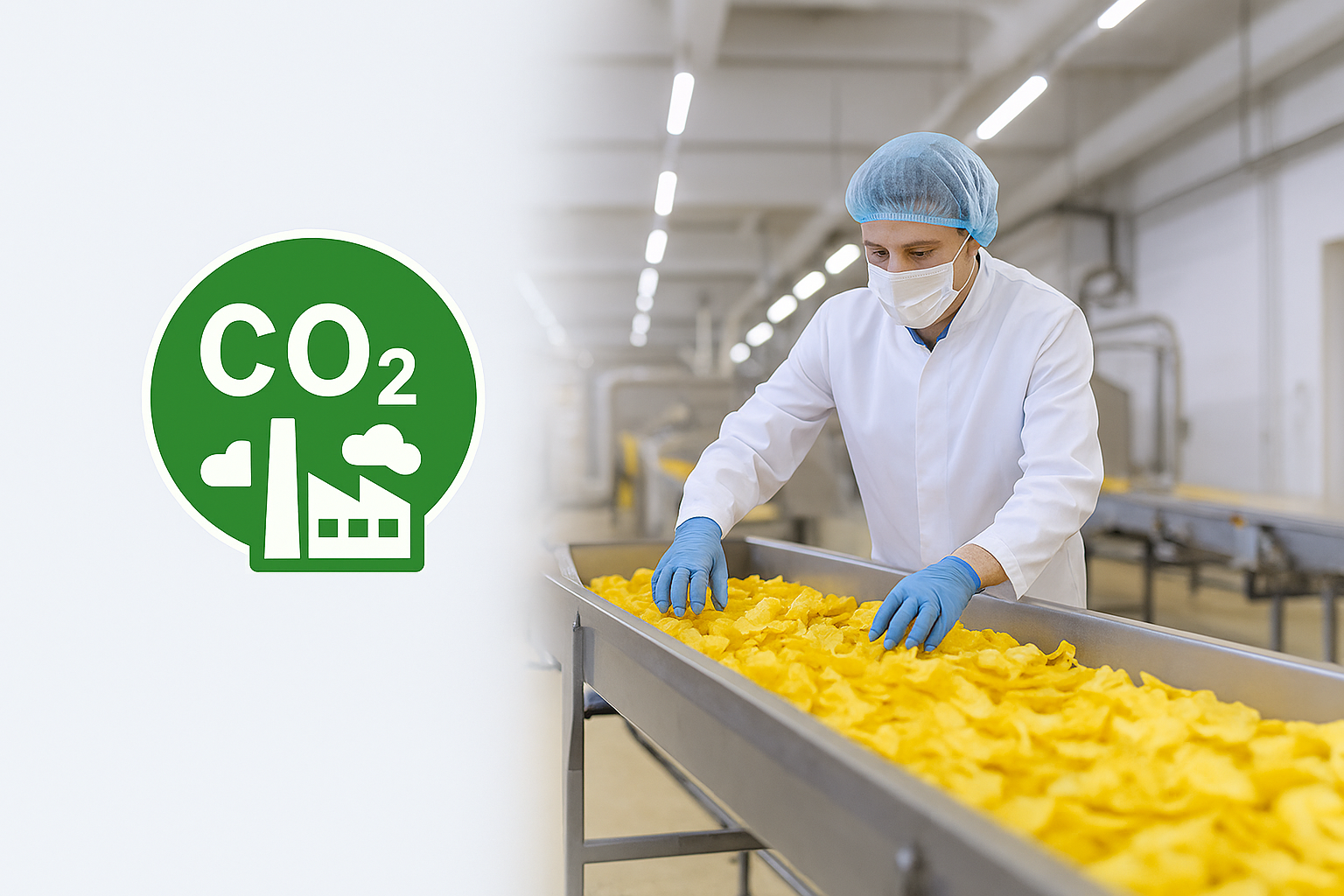
Why Cutting Carbon Emissions Is No Longer Optional for Food Manufacturers
The global food industry is under increasing pressure to evolve, and not just in terms of innovation, efficiency, or cost control. Today, one of the most critical challenges facing food manufacturers is reducing carbon emissions. While much of the climate conversation has historically focused on agriculture and primary production, manufacturers, those responsible for processing, packaging, and distributing food, play an equally pivotal role in shaping a sustainable future.
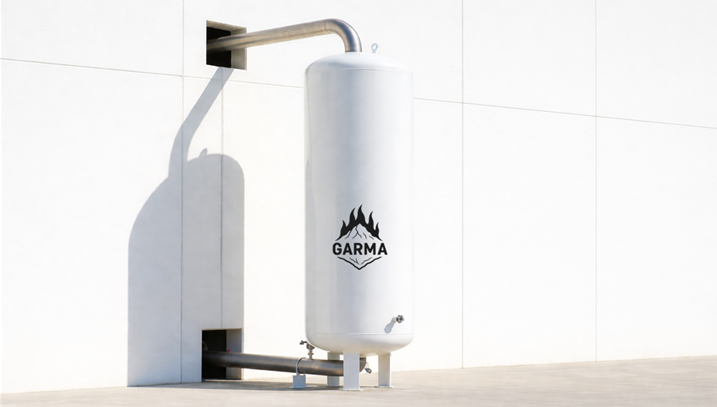
Energy Storage - Thermal (TES) or Battery (BESS)
The global food industry is under increasing pressure to evolve, and not just in terms of innovation, efficiency, or cost control. Today, one of the most critical challenges facing food manufacturers is reducing carbon emissions. While much of the climate conversation has historically focused on agriculture and primary production, manufacturers, those responsible for processing, packaging, and distributing food play an equally pivotal role in shaping a sustainable future.
For professionals in the food manufacturing sector, cutting carbon emissions is no longer a matter of corporate goodwill or optional sustainability initiatives. It is rapidly becoming a business imperative driven by regulation, consumer demand, operational efficiency, and long-term resilience.
This article explores why reducing carbon emissions should be at the top of every food manufacturer’s strategic agenda, and how emerging solutions, including thermal energy storage technologies like those developed by Garma Energy, are helping forward-thinking companies accelerate their progress.